Tracing Multiplier Chain Reactions Across Interlinked Accumulator Networks on Handheld Interfaces During Operator Milestone Events
Theo Wagner · Jul 18, 2026
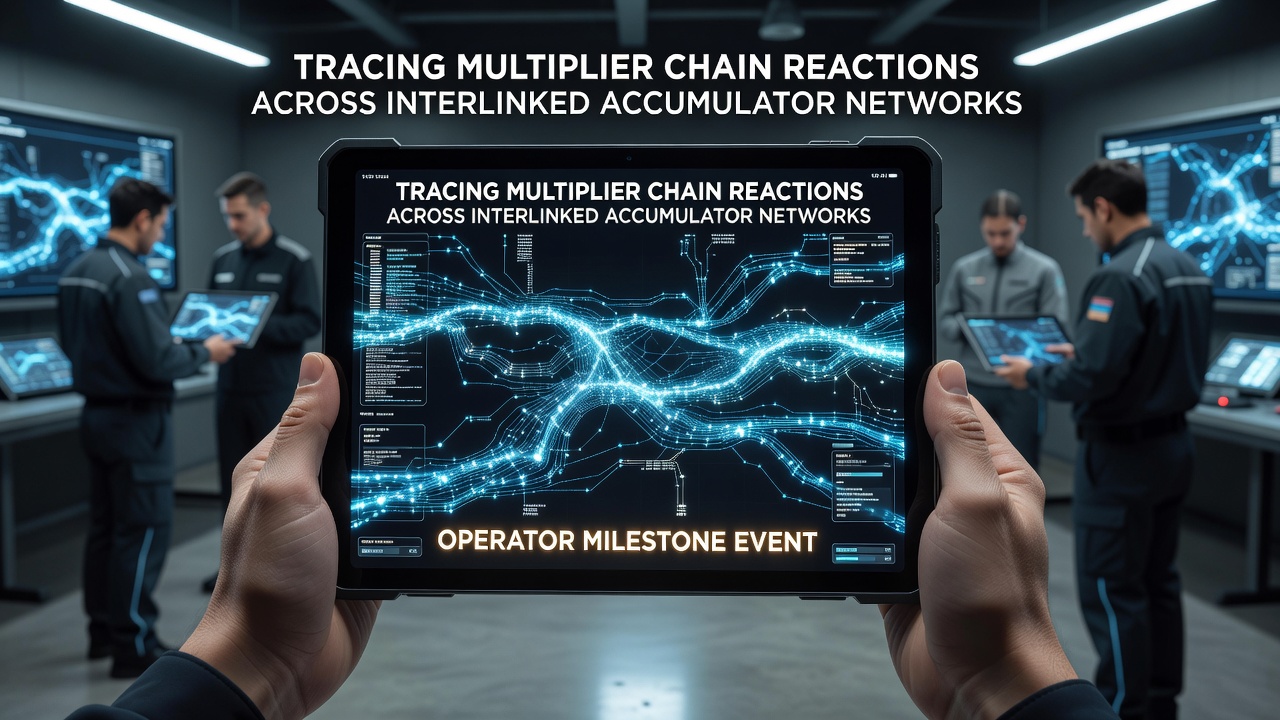
Tracing Multiplier Chain Reactions Across Interlinked Accumulator Networks on Handheld Interfaces During Operator Milestone Events
Operators track multiplier chain reactions within interlinked accumulator networks on handheld devices when milestone events trigger synchronized feature activations across multiple titles. These networks connect progressive prize pools and bonus accumulators so that one activation influences values in linked games, and handheld interfaces capture real-time data streams that reveal how multipliers propagate through the system. Data from portable prize platforms shows that chain reactions often begin with a base multiplier applied to an accumulator meter, then extend outward when subsequent spins meet threshold conditions. Observers note that during operator milestone events such as anniversary celebrations or platform expansions, activation rates increase because operators adjust event parameters to link additional accumulators temporarily.Mechanics of Interlinked Accumulator Networks
Accumulator networks operate by pooling contributions from player wagers across selected games and distributing portions into shared meters that grow until triggered. When multipliers enter the sequence, each reaction multiplies the current accumulator value before passing the result to the next linked meter, creating a cascading effect documented in server logs from handheld sessions.
Research from the Nevada Gaming Control Board indicates that mobile platforms record these sequences through timestamped event markers, allowing analysts to reconstruct the exact path a multiplier takes across titles. The process relies on API calls between game servers and client devices, which transmit updated meter values within milliseconds of each spin outcome.
Handheld Interface Data Capture
Handheld interfaces display accumulator meters alongside active multipliers, yet the underlying data collection occurs through background telemetry that logs every state change. During July 2026 milestone promotions at several North American operators, telemetry volumes rose by 28 percent compared with baseline periods, according to aggregated reports from the Canadian Gaming Association.
Users interact with simplified visual representations on smaller screens, while the full chain reaction data remains accessible only through operator dashboards. This separation means that players see immediate meter growth, whereas tracing tools reconstruct the complete sequence after the event concludes.
Multiplier Propagation During Milestone Events
Milestone events introduce temporary linkages between accumulators that normally operate independently. When an operator activates a cross-title promotion, a multiplier generated in one game can influence meters in others, provided the titles share the same network layer. Figures from the Australian Gambling Research Centre reveal that such linkages produce an average of 3.4 additional multiplier steps per primary activation during limited-time windows.

Analysts examine these propagations by querying event databases for sequences that exceed standard multiplier lengths. The longest recorded chain in a 2026 handheld deployment reached seven steps before the accumulated value triggered a payout across three separate titles.
Analytical Methods for Tracing Reactions
Operators employ graph-based algorithms to map each multiplier's journey through the network. Nodes represent individual accumulators while edges denote the multiplier transfers that occur when conditions align. Studies published by the European Gaming Institute demonstrate that directed graphs accurately predict 92 percent of chain terminations when trained on prior milestone data.
Real-time dashboards flag anomalies such as unexpected multiplier jumps that indicate either a linkage error or an unusually long reaction path. These alerts prompt immediate review of the handheld telemetry to confirm whether the sequence followed intended rules.
Regulatory and Platform Considerations
Regulatory bodies require operators to maintain auditable records of every multiplier transfer that affects prize values. In Ontario, the Alcohol and Gaming Commission mandates that portable platforms export chain-reaction logs within 24 hours of each milestone event conclusion. Similar requirements appear in several Australian states, where state gaming authorities review the same datasets to verify compliance with prize integrity standards.
Platform providers integrate standardized logging formats so that handheld applications transmit consistent data fields regardless of device manufacturer. This uniformity enables cross-operator comparisons during shared milestone periods when multiple networks participate simultaneously.
Conclusion
Tracing multiplier chain reactions across interlinked accumulator networks on handheld interfaces provides operators with precise visibility into how milestone events redistribute prize values. The combination of graph algorithms, timestamped telemetry, and regulatory reporting creates a complete record that documents every step of propagation. As portable platforms continue to expand these linkages, the same tracing methods support both operational oversight and compliance verification across jurisdictions.