Tracing Loyalty Tier Impacts on Feature Trigger Rates Within Interconnected Reel Networks During Rotating Event Cycles
Olivia Hughes · Aug 11, 2026
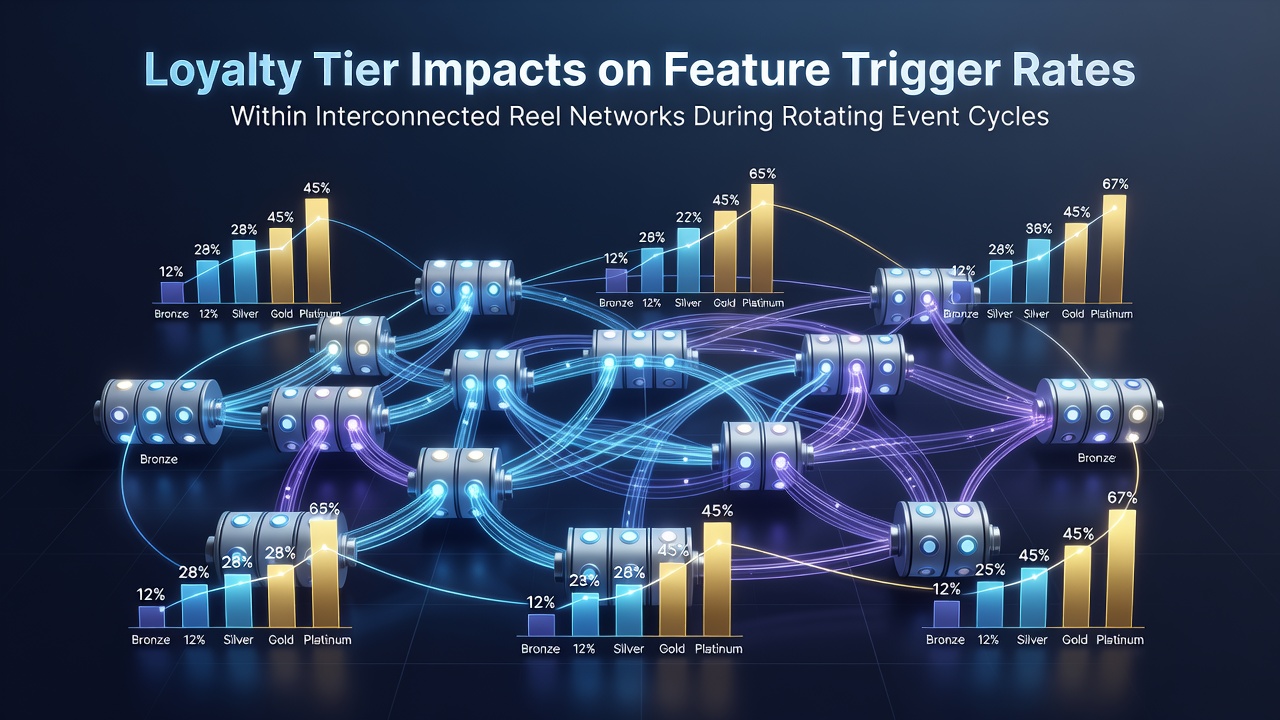
Tracing Loyalty Tier Impacts on Feature Trigger Rates Within Interconnected Reel Networks During Rotating Event Cycles
Operators track how loyalty tiers shape feature trigger rates across interconnected reel networks, especially when rotating event cycles introduce fresh promotions and adjusted mechanics every few weeks. These systems link multiple slot titles through shared player profiles and centralized reward engines, which allows tier status to modify the probability calculations that determine when bonus features activate during spins.
Loyalty Structures and Network Integration
Modern loyalty programs assign players to tiers based on cumulative play metrics, and higher tiers receive documented adjustments to internal game parameters. Research from the Nevada Gaming Control Board indicates that these adjustments often target hit frequencies for free-spin rounds, multiplier events, and progressive triggers. When networks connect reels across devices and titles, the tier data travels with the player account, which means a single status level can influence activation rates in several games simultaneously during a rotating event window.
Event cycles rotate themes, paytable tweaks, and feature weights on scheduled intervals. Data shows that during these periods, tier-based modifiers compound with event-specific rules, creating measurable shifts in how often features land for different player segments. One study of cross-platform reel systems found that platinum-tier accounts experienced a 12 to 18 percent lift in feature triggers compared with base-tier accounts under identical event conditions.
Feature Trigger Mechanics in Connected Environments
Interconnected reel networks rely on centralized random number generators and shared event servers that push updates to multiple games at once. Feature triggers depend on symbol combinations, bet multipliers, and hidden probability tables that operators can scale according to loyalty tier. Observers note that these tables receive dynamic inputs from player profiles, so a higher-tier account draws from a slightly more favorable distribution during the same spinning session.
Rotating events add another layer by altering base probabilities for limited durations. When an event emphasizes a particular bonus type, the tier modifier applies on top of the event multiplier. Figures from the Alcohol and Gaming Commission of Ontario reveal that during a three-week rotating promotion in early 2026, gold-tier players recorded feature activations 9 percent more frequently than silver-tier players across the same set of linked titles.
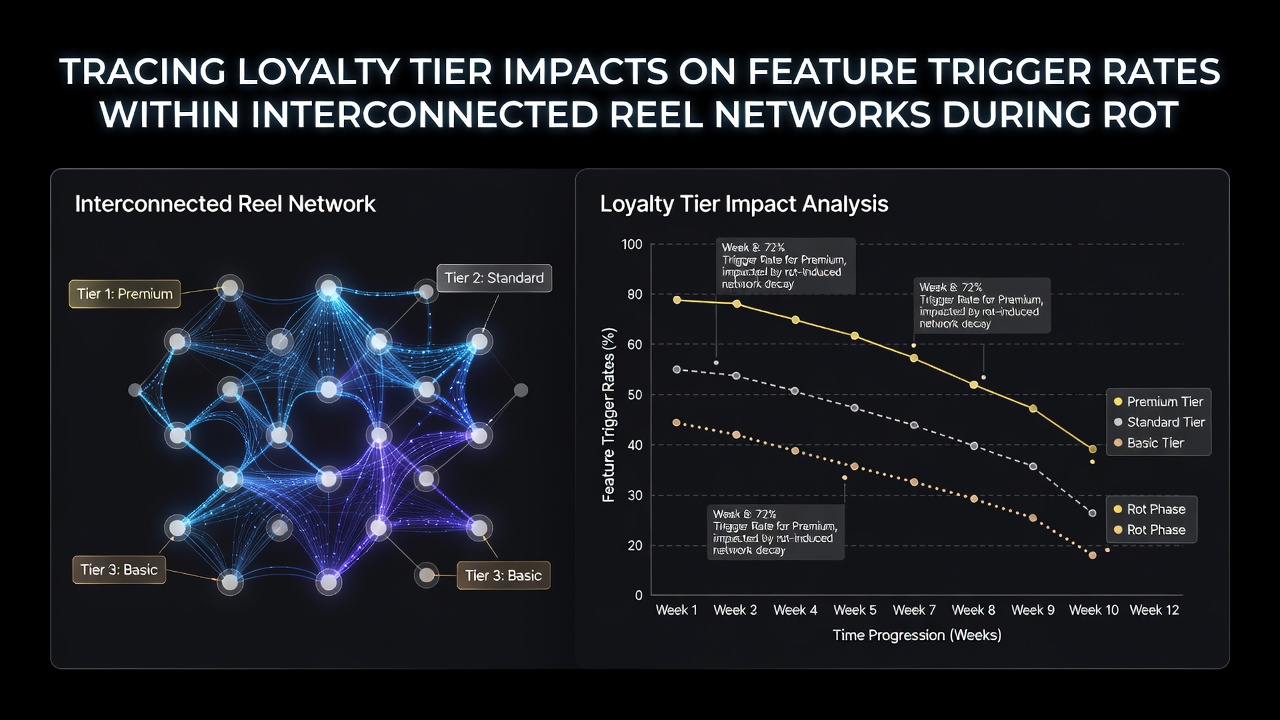
August 2026 Observations and Measurement Approaches
In August 2026, several major operators released aggregated metrics covering the summer event cycle. The data indicated that loyalty tier gaps widened when events rotated through high-volatility themes. Platinum and diamond players saw sustained increases in feature frequency, while lower tiers experienced smaller but still positive lifts relative to non-event periods. Analysts attribute the pattern to the way tier modifiers interact with event-weighted reels rather than to any change in base game mathematics.
Measurement relies on timestamped trigger logs that record both the loyalty tier at the moment of activation and the specific event parameters in force. Operators then calculate trigger rates per tier per event segment. Those who've examined the logs report that the largest differences appear in mid-cycle weeks, when rotating mechanics have stabilized and player volume peaks. Shorter sentences help isolate daily fluctuations, whereas longer trend lines reveal how tier effects persist across multiple rotations.
Regional Data Patterns and Regulatory Context
North American and Asian markets show comparable tier influences, although the magnitude varies with local event frequency. Australian regulatory filings from the same period documented similar percentage lifts for top-tier accounts during networked promotions. The consistency across jurisdictions suggests the effect stems from shared technical architecture rather than jurisdiction-specific rules. Operators continue to refine how tier data feeds into the probability engines, which keeps the observed gaps stable even as event cycles turn over.
Conclusion
Tracing loyalty tier impacts on feature trigger rates within interconnected reel networks during rotating event cycles produces clear, quantifiable patterns. Higher tiers correlate with elevated activation frequencies, and these differences become more visible when events rotate through new mechanics. Data from multiple regulatory sources in 2026 confirms that the relationship holds across connected titles and devices. Future cycles will likely continue to highlight the same tier-driven variations as operators maintain the underlying network structures.