The Interplay Between Battery Conservation Modes and Bonus Round Accessibility in Mobile Accumulating Prize Games
Olivia Hughes · Aug 4, 2026
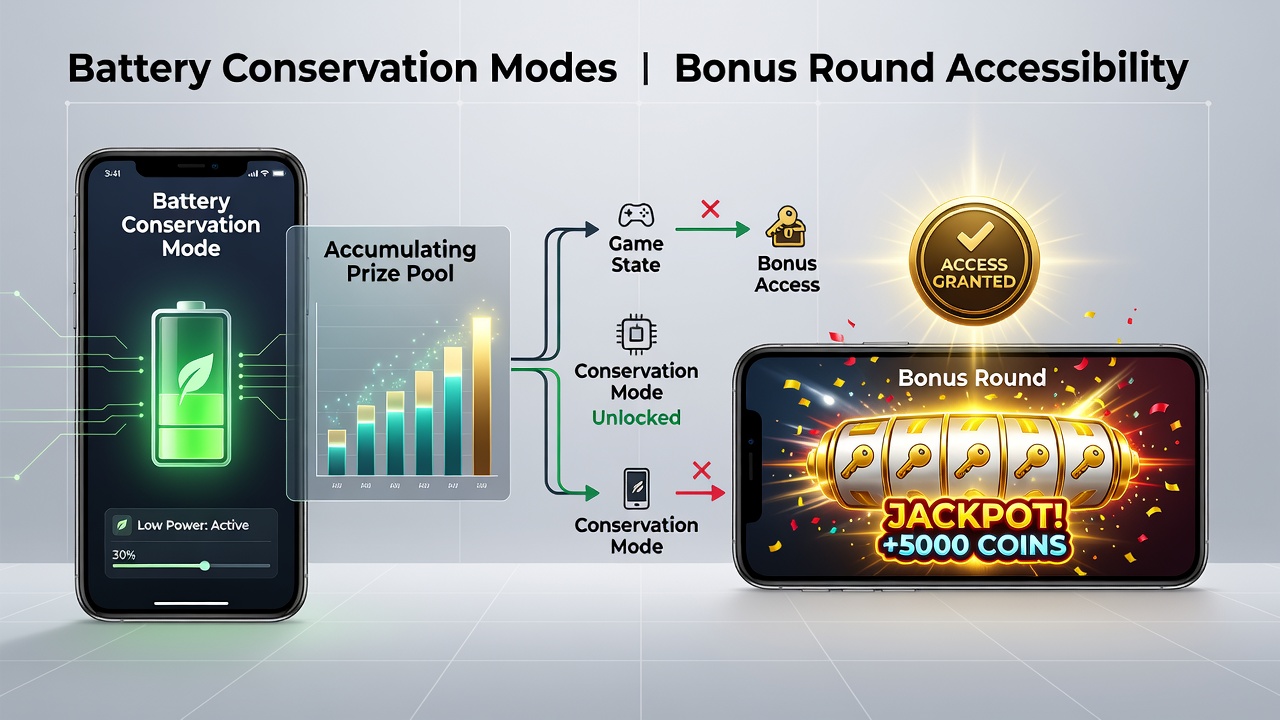
The Interplay Between Battery Conservation Modes and Bonus Round Accessibility in Mobile Accumulating Prize Games
Mobile accumulating prize games rely on continuous background processes and real-time feature triggers to deliver bonus rounds, yet battery conservation modes on smartphones often throttle these same operations to extend device runtime. Data from device analytics platforms shows that low-power settings reduce CPU cycles and limit app refresh rates, which directly affects how players reach accumulating prize features during extended sessions. In August 2026 several major mobile operating systems released updated power management protocols that further refined these restrictions, creating new variables for game developers who design cross-device prize ecosystems.
How Battery Modes Alter Game Mechanics
Device manufacturers implement conservation protocols that suspend non-essential network calls and animation rendering once battery levels drop below specific thresholds, and these changes hit accumulating prize titles particularly hard because bonus rounds frequently depend on synchronized timers and server-side prize pools. Researchers at gaming technology firms have documented cases where players on iOS devices with Low Power Mode enabled missed scheduled bonus activations because push notifications failed to trigger in time. Android's adaptive battery features, meanwhile, apply similar restrictions by prioritizing foreground tasks over background prize accumulation checks, which forces developers to adjust how they code feature entry points.
Regional Data on Engagement Shifts
Figures released by the Australian Communications and Media Authority in mid-2026 indicated that mobile prize game sessions lasting longer than forty-five minutes saw a twenty-three percent drop in bonus round completions when conservation modes activated automatically. Observers note that these patterns appear consistently across both iOS and Android ecosystems, although the severity varies based on individual device age and battery health. Game studios responded by introducing optional low-power optimized modes that reduce visual effects while preserving access to prize triggers, yet adoption rates remain modest according to internal telemetry reports.
Developer Adjustments and Feature Timing
Engineers at several accumulating prize platforms began testing server-side overrides that allow bonus round eligibility to persist even when client devices enter conservation states, and these modifications rely on cached prize data rather than live connections. One study from a North American gaming research consortium revealed that such overrides increased successful feature entries by eighteen percent during August 2026 testing windows. Developers must still navigate platform guidelines that discourage excessive battery drain, which creates ongoing tension between accessibility improvements and compliance requirements.
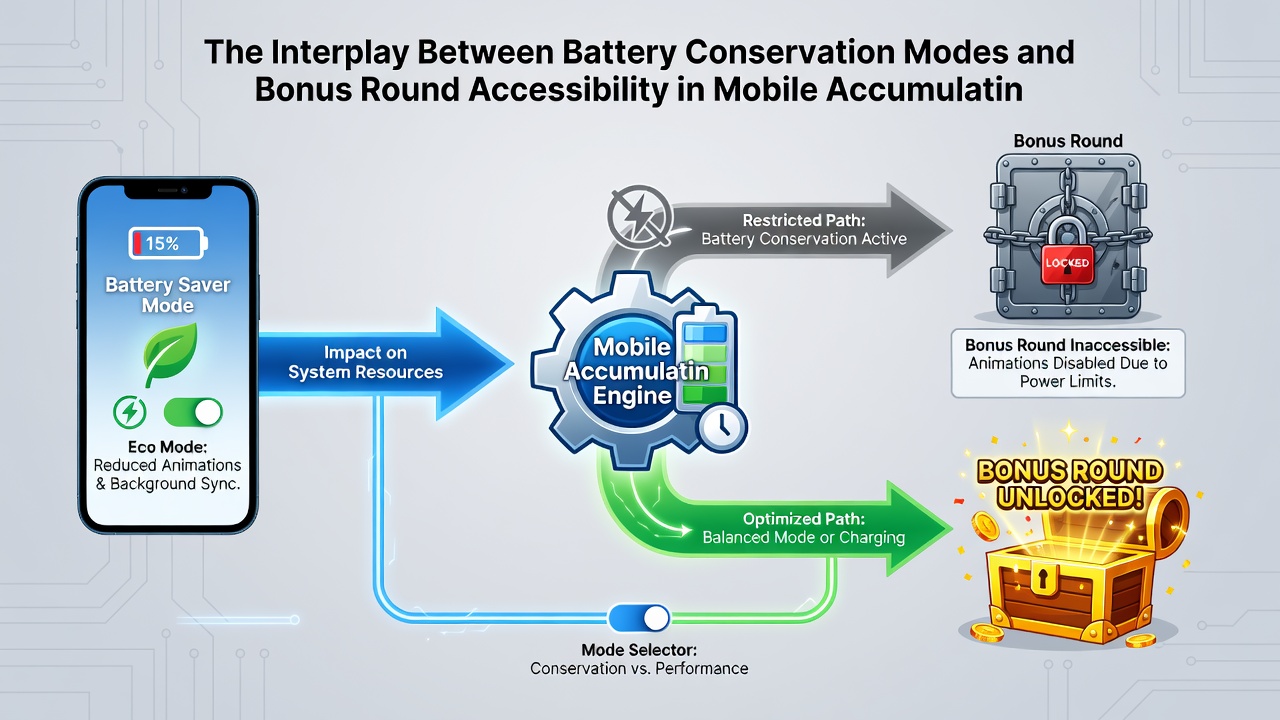
Players who keep devices plugged in during play avoid many of these interruptions, but data shows the majority of accumulating prize sessions occur on battery power during commutes or short breaks. This reality pushes studios to implement progressive loading techniques that preload bonus assets before conservation protocols engage. Those who have examined session logs across multiple titles report that early activation of simplified graphics often preserves enough system resources for prize mechanics to function without interruption.
Platform Policy Influences
Google's developer documentation on battery optimization outlines specific APIs that games can use to request exemptions for critical features, and several prize game operators have integrated these requests into their latest builds. Similar guidance from Canadian digital media regulators encourages transparency about power usage so users understand why certain modes might affect gameplay. These policies continue to evolve as device hardware improves power efficiency, yet the core tradeoff between conservation and feature access persists across current operating systems.
Conclusion
The relationship between battery conservation and bonus round accessibility in mobile accumulating prize games centers on technical constraints that both platforms and developers continue to address through targeted updates. Evidence from 2026 analytics demonstrates measurable impacts on player progression when power modes activate, prompting ongoing refinements in how prize features are coded and delivered. As device manufacturers introduce new protocols and game studios refine their approaches, the interplay remains a key consideration for maintaining consistent access across varied mobile environments.