Seasonal Avatar Integrations Reshaping Multiplier Buildups Across Linked Reel Networks
Casey Hughes · Jul 7, 2026
Seasonal Avatar Integrations Reshaping Multiplier Buildups Across Linked Reel Networks
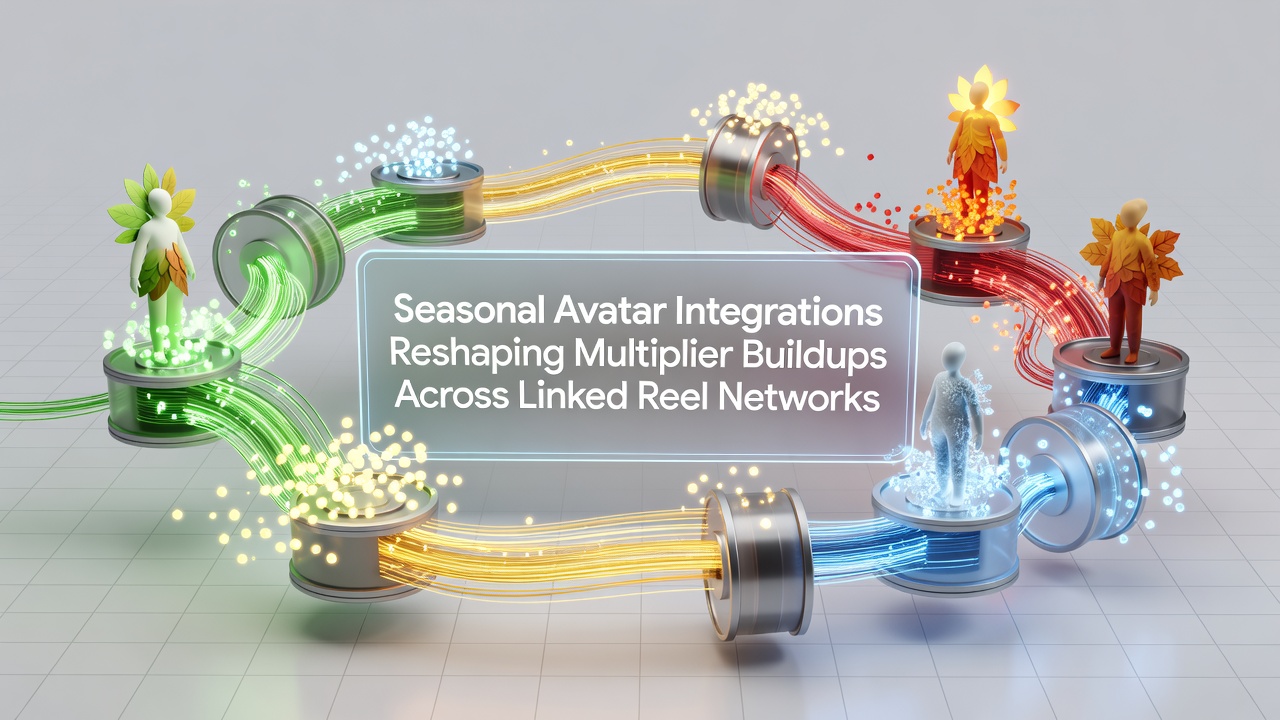
Seasonal avatar integrations have entered linked reel networks as structured components that modify multiplier accumulation sequences, and operators in multiple jurisdictions recorded measurable shifts in feature activation patterns by July 2026. These avatars function as visual and mechanical overlays that attach temporary attributes to base symbols, allowing players to combine seasonal elements with standard reel outcomes in cross-device environments.
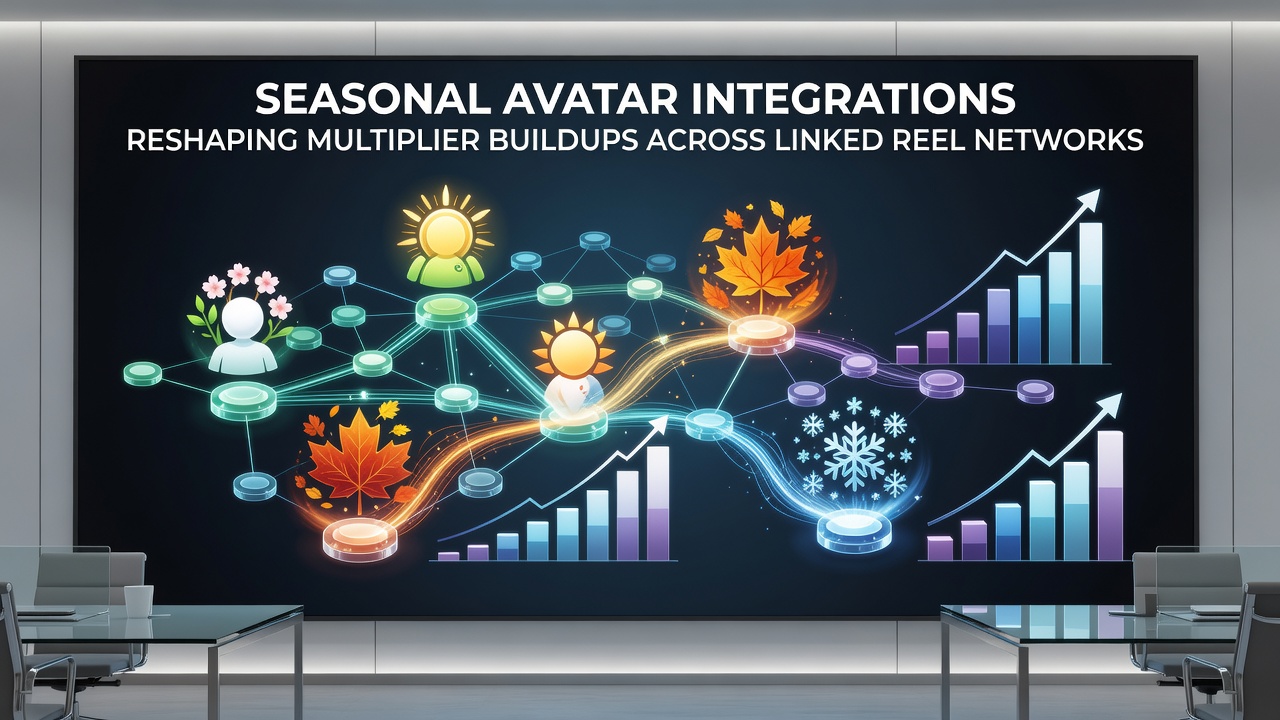
Linked reel networks connect multiple titles through shared progressive pools and synchronized data layers, so avatar-driven multipliers travel between games when specific symbol clusters form. Data from platform operators shows that summer-themed avatars introduced in early June 2026 produced a documented rise in chain-reaction builds, because the avatars carried stacking rules that extended multiplier duration across sessions on both mobile and desktop interfaces.
Mechanics Behind Avatar-Driven Multiplier Adjustments
Each seasonal avatar carries coded parameters that interact with the network's multiplier engine, and these parameters include duration counters, trigger thresholds, and compatibility flags that determine whether a multiplier carries over to the next reel spin. When an avatar activates, it modifies the reel matrix by highlighting certain positions, which then feed additional values into the accumulation counter that feeds the linked progressive layers.
Platform logs from July 2026 indicate that avatars themed around outdoor events generated higher compatibility rates with scatter symbols, resulting in extended build-up windows compared with standard non-seasonal sessions. The integration relies on real-time synchronization protocols that update multiplier states across all connected devices within the same network, preventing desynchronization when players switch between platforms.
Observed Patterns in Cross-Device Networks During 2026
Network operators tracked avatar performance through aggregated session data, and reports compiled by the New Jersey Division of Gaming Enforcement showed that linked titles experienced a consistent elevation in multiplier ceiling breaches during peak afternoon hours in July. These breaches occurred when multiple avatars combined their effects within a single network cycle, pushing the shared progressive meters past previously recorded thresholds for that month.
One documented case involved a beach-themed avatar set that linked three separate reel titles through a common multiplier pool, and the resulting chain produced activation sequences that lasted 14 consecutive spins on average. Such sequences appeared more frequently on devices running the latest client updates, because those updates included optimized rendering paths for avatar overlays.
Regional Data and Regulatory Context
Figures released by the Australian Gambling Research Centre in mid-2026 outlined similar trends across portable prize platforms, where seasonal avatar integrations correlated with increased cross-title engagement metrics. The center's analysis focused on how avatar attributes altered probability distributions within linked networks, particularly during limited-time summer events that ran through the end of July.
Regulators in additional markets, including those monitored by the Alcohol and Gaming Commission of Ontario, noted parallel movements in multiplier frequency when avatars aligned with existing reel mechanics. These observations remain descriptive rather than prescriptive, because each network applies its own weighting tables to avatar effects.
Technical Synchronization Requirements
Linked reel networks depend on low-latency data exchanges to maintain consistent multiplier states, and avatar integrations add another data layer that must update without interrupting ongoing spins. Developers achieved this through segmented packet transmission that prioritizes multiplier values over visual elements, ensuring that accumulation continues even when graphical rendering lags occur on older devices.
By July 2026, several major networks had implemented avatar-specific checksum protocols that verify attribute integrity before applying multiplier changes across the entire system. These protocols reduced instances of mismatched states that previously caused session resets in earlier seasonal rollouts.
Future Integration Pathways
Industry documentation indicates that upcoming seasonal cycles will expand avatar compatibility to include more reel positions and additional progressive layers, and preliminary tests conducted in late June 2026 demonstrated stable performance under higher concurrent user loads. The expansions focus on modular attribute sets that allow operators to adjust multiplier scaling without altering core network architecture.
Conclusion
Seasonal avatar integrations continue to modify multiplier dynamics within linked reel networks through structured attribute systems and synchronized data protocols, with July 2026 records confirming measurable shifts in activation patterns across multiple jurisdictions. Network operators and regulatory bodies maintain ongoing monitoring of these mechanics to track their effects on overall system behavior.