Player Behavior Shifts During Synchronized Multi-Title Reward Events Across Handheld Reel Networks
Casey Berger · Jun 23, 2026
Player Behavior Shifts During Synchronized Multi-Title Reward Events Across Handheld Reel Networks
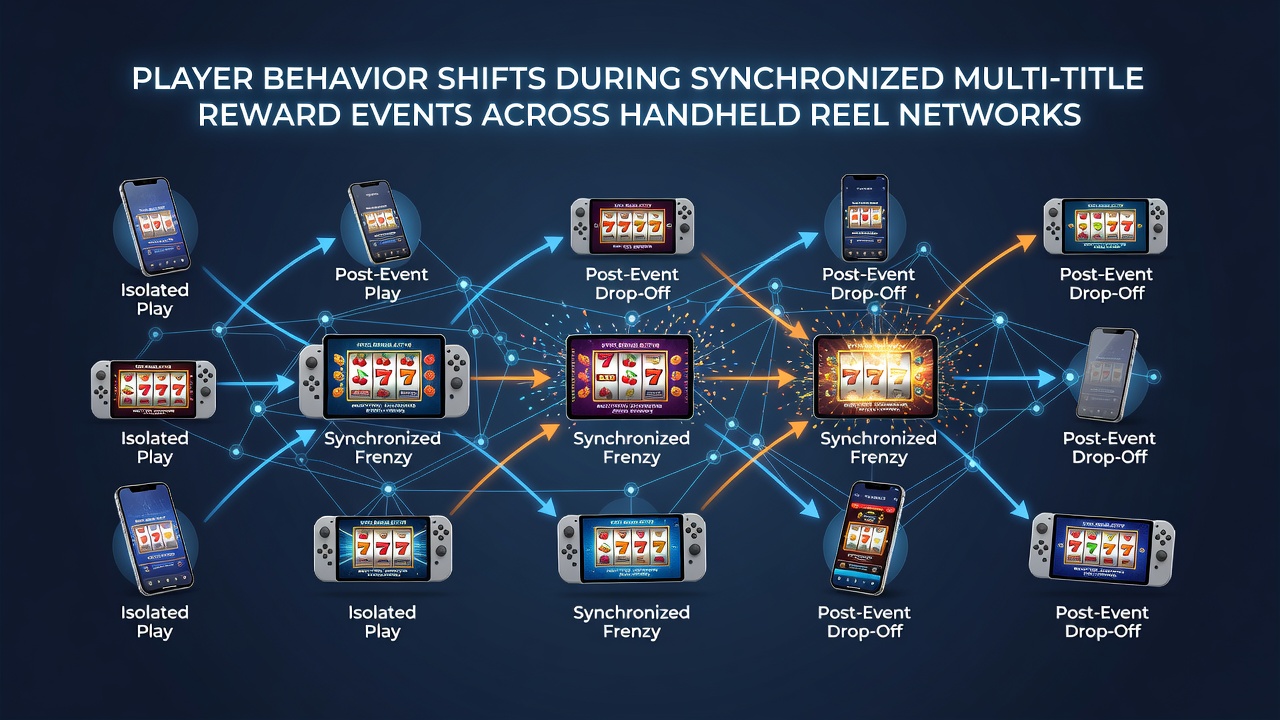
Handheld reel networks have introduced synchronized multi-title reward events that link progress across several mobile slot games at once, and observers note distinct changes in how participants interact with these platforms during such periods. Data from network operators shows increased cross-title navigation, with users switching between connected games more frequently than during standard play windows. These coordinated releases often feature shared timers and collective prize pools that reset simultaneously across titles, which influences session planning and device usage patterns.
Defining Synchronized Reward Structures
Operators coordinate reward mechanics so that achievements in one handheld title contribute to progress bars visible in others, creating layered incentives that span multiple games. Research indicates that these events typically run for fixed intervals, such as weekend blocks or week-long campaigns, and they require players to maintain activity across the network to unlock escalating tiers. According to figures from the Nevada Gaming Control Board, mobile participation rates during coordinated campaigns rose by 18 percent in comparable periods, with average session counts per user climbing from 4.2 to 6.8 across linked titles.
Patterns Observed in June 2026 Campaigns
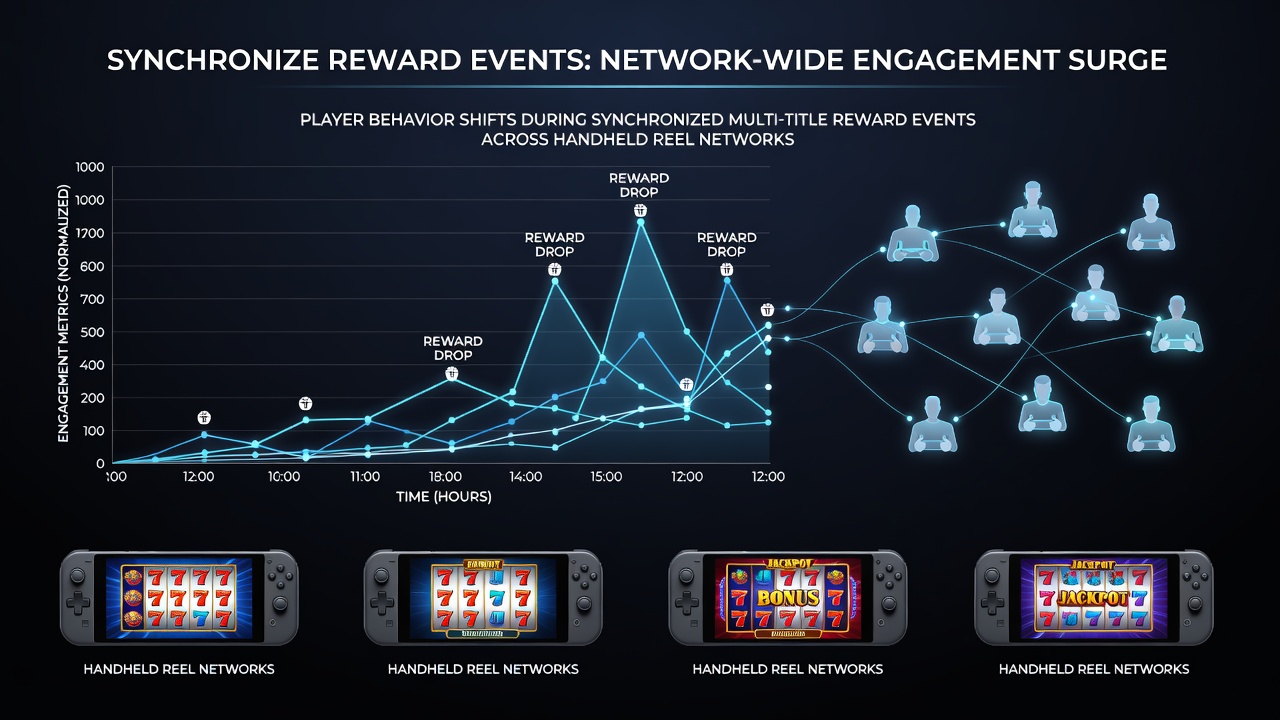
During June 2026 synchronized events, tracking data revealed that handheld users extended their daily login streaks by an average of 2.3 days compared with non-event months, while total time spent per device session increased modestly but showed greater fragmentation across different games. Analysts at network providers recorded higher instances of players completing daily tasks in one title before immediately opening another to maintain collective momentum, a sequence less common outside event windows. Those monitoring engagement metrics also found that peak activity hours shifted later into evenings, aligning with global time zones where multiple regions could contribute simultaneously to shared counters.
Device-Level Navigation Changes
Handheld interfaces facilitate rapid switching through persistent notifications and unified dashboards, and usage logs demonstrate that participants rely on these tools more heavily when rewards depend on multi-title completion. Studies from the Australian Gambling Research Centre highlight that mobile users during synchronized periods access in-game maps and progress trackers 27 percent more often than baseline measurements, suggesting deliberate route planning rather than spontaneous play. Session data further shows reduced idle time between game launches, as the interconnected structure rewards continuous movement through the network without extended pauses.
Geographic Variations in Participation
Regional reports indicate that North American handheld networks experience sharper spikes in cross-device handoffs during events, whereas European operators note steadier but longer individual sessions that incorporate multiple titles within single blocks. Data compiled by the Ontario Lottery and Gaming Corporation for comparable synchronized releases shows Canadian users favoring shorter, repeated visits throughout the day, often tied to push alerts that signal collective milestones reached by the broader player base. These differences align with varying regulatory frameworks that shape how operators present unified reward interfaces on portable devices.
Impact on Feature Activation and Prize Collection
Network analytics reveal that bonus feature triggers occur at higher combined rates when players distribute activity across synchronized titles rather than concentrating efforts in one game. Observers tracking prize distribution note that collective pools during June 2026 events distributed smaller incremental rewards more frequently, which correlated with sustained engagement loops as users returned to claim portions and advance group progress. Figures released by the Singaporean Gambling Regulatory Authority indicate that handheld participants in linked events completed 31 percent more micro-objectives per week than those playing isolated titles, pointing to the motivational pull of visible network-wide counters.
Retention and Return Metrics
Post-event analysis from multiple operators demonstrates elevated retention into the following week, with 42 percent of active handheld accounts during synchronized periods maintaining at least one daily login for seven days afterward. This pattern holds across different device operating systems, though iOS users show slightly higher consistency in returning through unified notification centers. Researchers examining longitudinal data emphasize that the synchronization itself, rather than individual title content, drives these extended return cycles, as similar standalone promotions produce shorter follow-on engagement.
Conclusion
Network-wide synchronized reward events continue to reshape how participants navigate handheld reel platforms, with measurable shifts in session structure, cross-title movement, and post-event retention documented across multiple jurisdictions. Ongoing data collection from regulatory bodies and industry reports provides clearer pictures of these dynamics as operators refine coordination mechanics for future cycles.