Investigating Auditory Cue Influences on Prolonged Engagement with Accumulating Prize Mechanisms in Portable Gaming Applications
Riley Keller · May 23, 2026

Investigating Auditory Cue Influences on Prolonged Engagement with Accumulating Prize Mechanisms in Portable Gaming Applications
Portable gaming applications featuring accumulating prize mechanisms rely on layered sound design to guide player attention, and researchers have tracked how these auditory elements extend session durations across various markets, while data from regulatory bodies in multiple regions continues to highlight measurable shifts in engagement metrics through 2026.
Sound Elements in Prize Accumulation Systems
Accumulating prize features in mobile applications often pair visual counters with escalating audio signals, and developers integrate rising tones or rhythmic pulses that intensify as prize pools grow, which studies link to extended interaction periods. Players encounter these cues during free spin sequences or multiplier builds, and the combination sustains focus because the audio provides continuous feedback without requiring constant screen attention. In May 2026 industry reports noted increased adoption of adaptive soundtracks that respond to real-time prize growth, and such implementations appear across both casual and high-stakes portable titles.
Research Findings on Engagement Duration
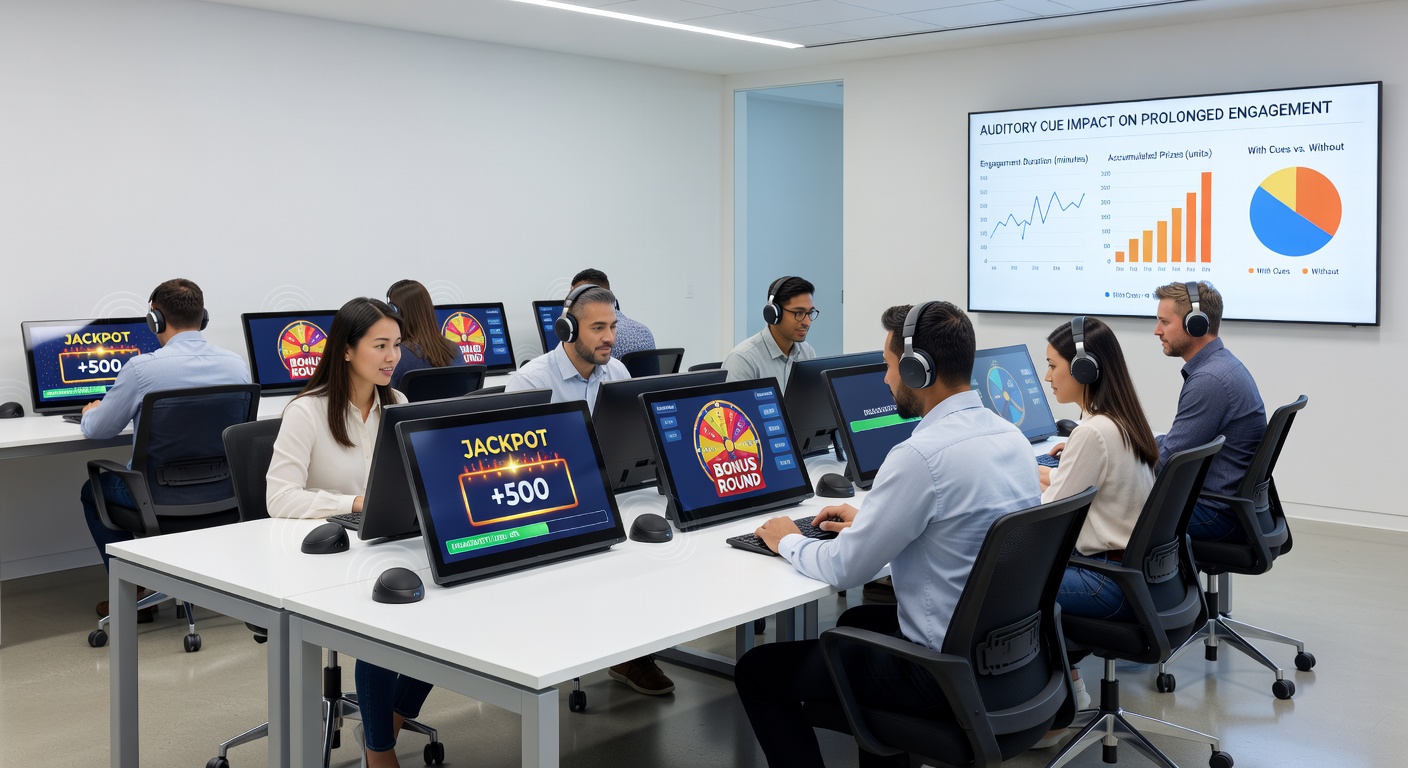
Academic investigations have quantified how specific auditory patterns affect play length, and one analysis from Canadian researchers documented average session extensions of 18 to 27 percent when background chimes synchronized with prize increments. Those studies compared identical game versions with and without escalating audio layers, revealing that participants exposed to the full sound set completed more spins before exiting. Observers note similar patterns in European data sets where harmonic progressions tied to jackpot meters correlated with fewer early terminations during peak evening hours.
Mechanisms Behind Prolonged Play
Auditory cues trigger anticipatory responses through predictable frequency increases, and this conditioning encourages continued engagement because each new tone signals proximity to potential rewards. Game designers calibrate pitch variations to avoid repetition fatigue, yet maintain enough consistency to reinforce the accumulation loop, and findings indicate that variable interval rewards paired with matching audio produce the strongest retention effects. Portable platforms benefit particularly from this approach since users often play in short bursts yet return more frequently when audio creates memorable reward associations.
Regional Data and Regulatory Context
Australian regulatory summaries released in early 2026 recorded higher average play times in applications that employed dynamic sound scaling for accumulating features, and these figures aligned with independent university examinations conducted across multiple states. Canadian provincial oversight bodies similarly tracked audio-related engagement metrics, noting that titles incorporating layered prize sounds showed steadier retention curves compared with silent counterparts. Such observations remain consistent even after accounting for demographic differences among user groups.
Implementation Patterns Across Applications
Developers apply auditory cues at distinct stages of prize accumulation, and introductory low-volume tones mark initial collection phases while fuller orchestral swells accompany larger increments. This graduated approach prevents sensory overload yet keeps the reward pathway active, and testing protocols often measure drop-off rates at each audio threshold to refine timing. Portable applications further adapt these systems to device speakers and headphones, ensuring cue clarity remains stable across hardware variations.
Conclusion
Evidence gathered through 2026 demonstrates that auditory cues tied to accumulating prize systems measurably influence session length in portable gaming, and continued monitoring by academic and regulatory entities across North America and Australia provides ongoing data for refinement of these design practices.