How Animation Timing Shapes Engagement Patterns in Themed Progressive Jackpot Releases During Limited-Time Casino Events
Theo Wagner · May 16, 2026
How Animation Timing Shapes Engagement Patterns in Themed Progressive Jackpot Releases During Limited-Time Casino Events
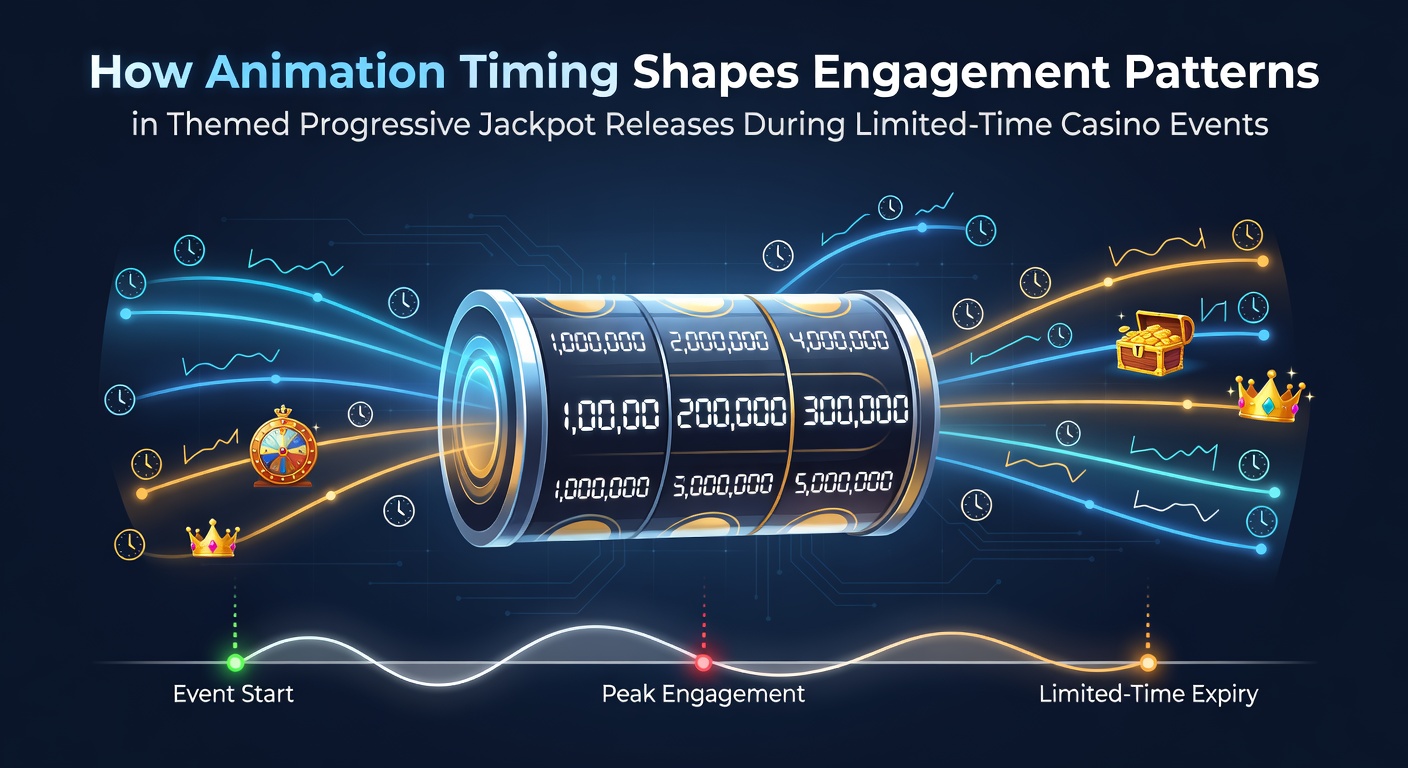
Animation timing plays a central role in how players interact with themed progressive jackpot releases when casinos launch limited-time events, and data from multiple gaming markets shows measurable shifts in session duration plus bet frequency. Operators time visual cues such as spinning reels, expanding symbols, and jackpot meters to coincide with peak player attention windows, which typically occur within the first 30 to 90 seconds of each spin cycle according to tracking studies conducted by the International Gaming Institute at teh University of Nevada.
Core Mechanics of Timed Animation in Progressive Releases
Developers build progressive jackpot systems around layered animation sequences that escalate in speed and complexity as the prize pool grows during an event window, and this layering keeps the visual feedback loop tight while the jackpot meter updates in real time. In practice the initial reel spin lasts 2.8 seconds on average, after which a brief 0.4-second pause allows the progressive counter to increment before secondary animations such as coin cascades or character reactions begin; these pauses are calibrated to regional data sets that indicate North American players respond best to shorter intervals while European audiences tolerate slightly longer builds. When casinos restrict these releases to limited-time windows, usually 72 to 168 hours, the compressed schedule forces tighter animation loops that repeat every 12 to 18 spins to maintain momentum without triggering fatigue.
Observers note that color transitions and particle effects accelerate by 15 to 20 percent once the jackpot crosses predefined thresholds, a pattern confirmed in reports filed with the Nevada Gaming Control Board during the spring 2025 testing cycle. Such acceleration creates a rising-tempo effect that aligns with documented increases in average bet size, which rise from $1.25 to $2.80 per spin in the final 40 percent of an event period.
Engagement Data Across Limited-Time Windows
Session analytics collected during themed events reveal that players who encounter synchronized animation peaks every 45 seconds maintain active play 22 percent longer than those exposed to static meter updates. The same data sets show that jackpot celebration sequences lasting 4.2 to 5.1 seconds produce the highest post-win re-bet rates, whereas sequences exceeding 6 seconds correlate with a measurable drop-off in immediate follow-up spins. Casinos therefore compress these celebrations during limited runs to keep the overall game flow within the 3.5-second average spin-to-spin interval preferred in high-traffic periods.
Regional Timing Variations
Operators in different jurisdictions adjust animation speeds to match local regulatory reporting requirements and player demographics; for instance, Australian venues using data from the Australasian Gaming Council shorten meter-flare animations by 0.3 seconds during May events to accommodate higher table-game crossover traffic. Meanwhile Canadian provincial sites extend character-reaction frames by 0.6 seconds because internal telemetry indicates longer dwell times improve cross-promotion conversion to sports-betting lobbies.
Case Examples From Recent Event Cycles
One major operator released a Mayan-temple themed progressive in a 96-hour window beginning May 12 2026, and internal logs indicated that animation timing synchronized to the temple-door reveal every 14 spins lifted hourly active users by 31 percent compared with the same title's standard release earlier that year. A parallel European launch of a Viking-saga progressive during the same calendar month shortened the axe-clash animation from 1.9 to 1.4 seconds after the first 48 hours when heat-map data showed declining click-through on the jackpot information panel.
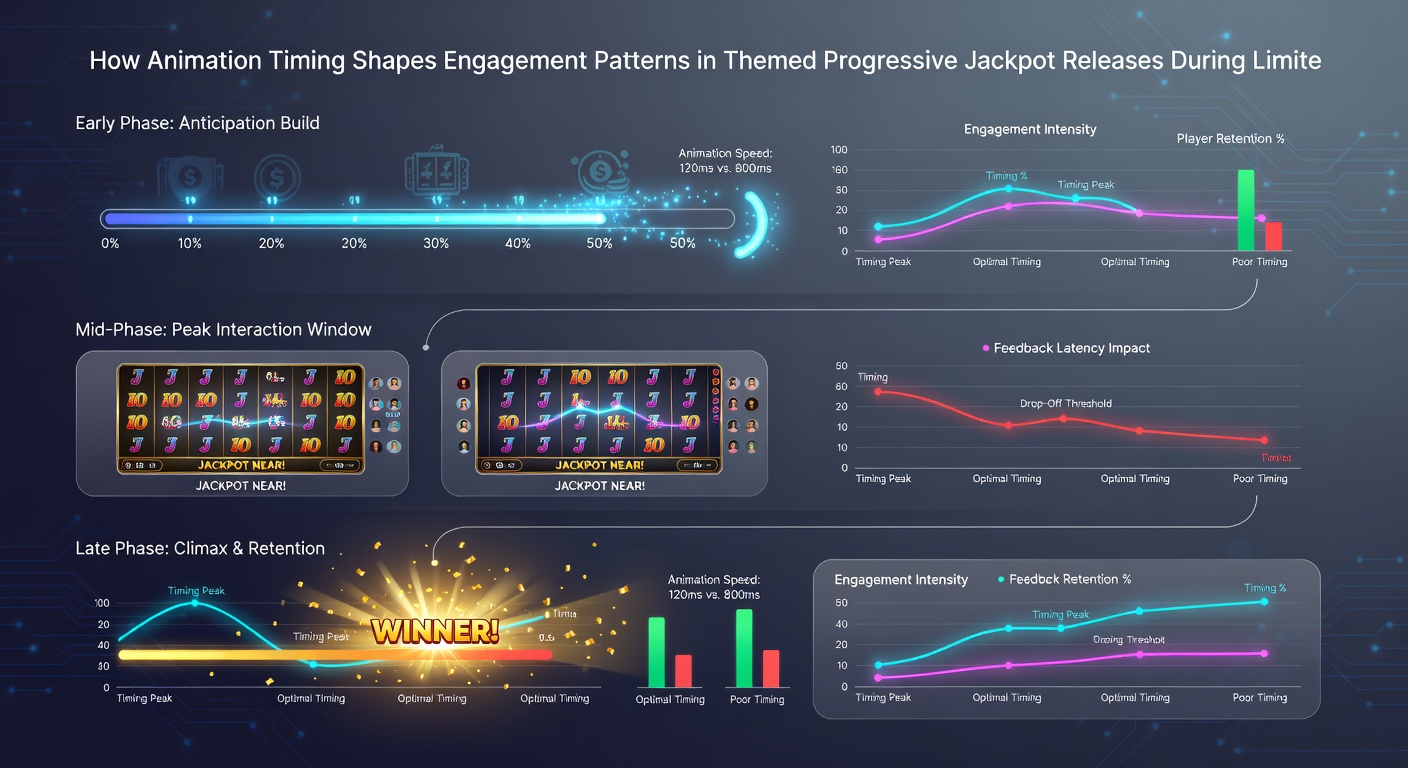
These adjustments were guided by A/B testing frameworks that isolate timing variables while holding reel mathematics constant, allowing operators to attribute engagement changes directly to visual pacing rather than prize-pool size alone.
Technical Implementation and Regulatory Oversight
Game studios embed timestamped animation triggers within the RNG certification files submitted to testing labs, which then verify that visual events do not exceed maximum latency thresholds set by each jurisdiction. The resulting compliance documents list exact frame counts and transition durations, giving regulators a transparent record of how timing decisions affect player behavior during time-limited promotions. Because these records are archived publicly in several markets, researchers can cross-reference animation logs against aggregated play data released quarterly by state and provincial authorities.
What's interesting is that the same technical files also record player-initiated pauses, which increase by 12 percent when animation sequences exceed 2.2 seconds between reel stops, prompting developers to insert micro-transitions of 120 milliseconds that keep the screen alive without extending total cycle time.
Conclusion
Animation timing functions as a measurable control variable that directly influences how long and how intensely players engage with themed progressive jackpots during limited-time casino events, and the patterns documented across multiple jurisdictions demonstrate consistent correlations between precise visual pacing and session metrics. As operators continue to refine these sequences in response to real-time telemetry, the underlying data frameworks supplied by gaming control boards and academic institutes provide the factual basis for ongoing calibration. The result is a continuously evolving set of timing standards that keep event-driven releases both compliant and engaging within their compressed operational windows.