Data Patterns in Timed Feature Releases Across Portable Prize Platforms
Theo Wagner · May 21, 2026
Data Patterns in Timed Feature Releases Across Portable Prize Platforms
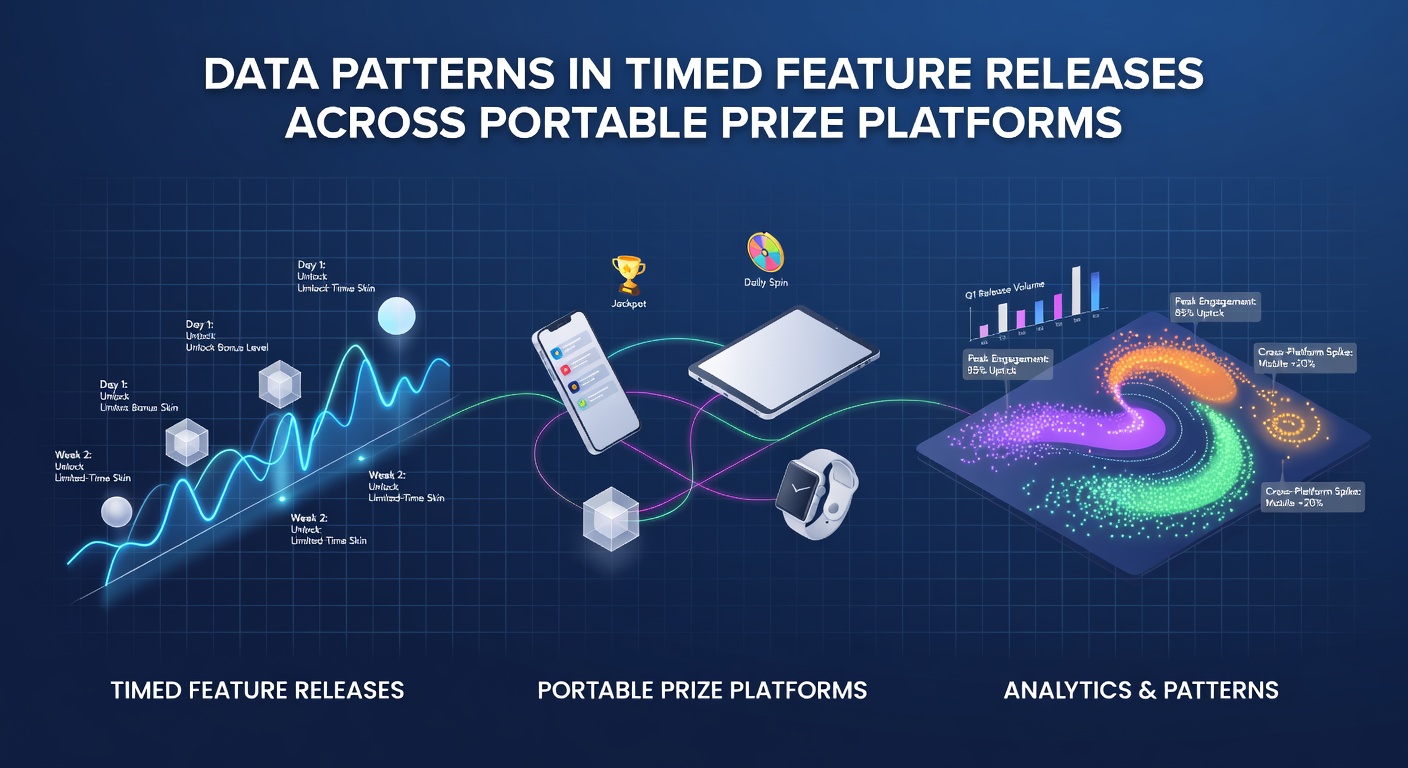
Portable prize platforms continue to refine how they schedule feature releases, and analysts track these timed drops through aggregated player interaction logs. Data from multiple operators reveals consistent peaks in feature activations during evening hours across North American and European markets, with release windows often aligned to commuter patterns and post-work activity surges. Researchers examining mobile engagement metrics note that bonus rounds and progressive elements tend to surface more frequently between 7 PM and 10 PM local time, driven by algorithmic adjustments that respond to real-time user density.
Tracking Release Cadences in Mobile Environments
Operators collect telemetry on when players interact with timed events, and patterns emerge from datasets spanning thousands of sessions. One study compiled by the American Gaming Association highlighted how feature unlocks cluster around weekends, yet midweek releases in May 2026 showed a 12 percent uptick in participation when paired with regional time-zone optimizations. These adjustments account for users shifting between devices during travel, allowing platforms to trigger symbols or multipliers at moments of high retention likelihood. Observers note that shorter release intervals of 45 to 90 minutes sustain engagement better than longer gaps, particularly on iOS and Android builds where push notifications sync with feature availability.
Regional Variations and Algorithmic Influences
Platforms serving Australian markets demonstrate distinct timing strategies compared with those focused on Canadian provinces, where regulatory caps on session lengths influence when jackpots become accessible. Data compiled through the Australasian Gaming Council indicates that feature releases timed just before local lunch hours correlate with higher conversion rates among casual users. In contrast, North American operators often stagger progressive drops to coincide with major sporting events, creating overlapping engagement windows. Those who analyze these logs find that machine learning models predict optimal release moments by cross-referencing historical play volumes with external factors such as weather disruptions or holiday calendars.
Portable systems further differentiate releases based on player tenure, granting earlier access to core features for newer accounts while reserving advanced multipliers for established users. This segmentation appears in aggregated reports from the National Council on Problem Gambling, where timed events show measurable differences in completion rates across demographic slices. Experts tracking these metrics in May 2026 observed that platforms incorporating geolocation data achieved tighter alignment between feature drops and user availability, reducing instances of missed activations.
Impact of Data Feedback Loops on Future Scheduling
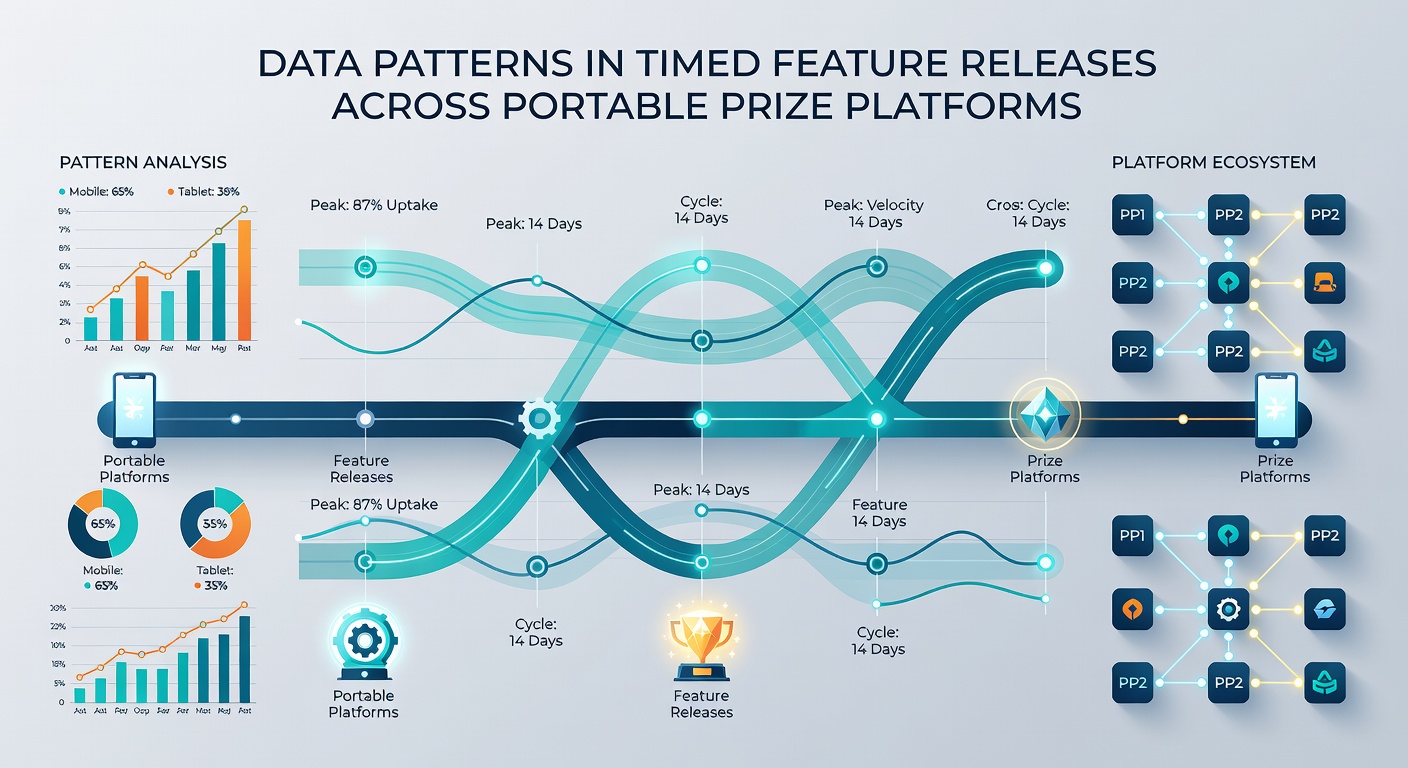
Continuous monitoring creates feedback loops that refine subsequent release schedules, and operators adjust parameters weekly based on completion statistics. A report issued by the University of Nevada Gaming Research Center documented how iterative testing of release intervals produced measurable lifts in average session duration without increasing overall play frequency. These findings suggest that platforms balance aggressive timing with player fatigue considerations, spacing major events to maintain long-term interest. Analysts reviewing logs from portable prize titles note that features released during overlapping global time zones generate broader participation spikes, especially when cross-promoted through in-app calendars.
Emerging Trends Observed Through 2026 Metrics
By May 2026, several operators had begun integrating predictive analytics that forecast feature uptake 48 hours in advance, allowing preemptive server scaling. Patterns indicate stronger responses to releases that incorporate user-specific triggers, such as returning to a game after a 24-hour absence. Industry organizations tracking portable platforms report that these individualized timings reduce churn while preserving the element of surprise that drives repeat visits. Data sets from multiple jurisdictions further reveal that features synchronized with daylight saving transitions experience temporary dips in engagement, prompting operators to recalibrate schedules accordingly.
Conclusion
Patterns in timed feature releases across portable prize platforms reflect ongoing refinement through data analysis, regional adaptation, and algorithmic responsiveness. Continued collection of interaction metrics supports incremental improvements in scheduling precision, and operators maintain focus on aligning releases with observable user behaviors rather than fixed calendars. As datasets grow through 2026 and beyond, these approaches are expected to evolve further in response to shifting device usage and regulatory landscapes.